
The Biggest Question Homeowners Ask Before a Remodel
If you've ever searched "how long does a remodel take" or "what happens during a home renovation," you're not alone. One of the most common concerns we hear from homeowners in Hollywood is not about cost — it's about time. They want to know how long their home will be disrupted, when they can use their kitchen again, and whether the project will actually finish on schedule.
The truth is, every remodeling project is different. A bathroom refresh might wrap up in three weeks, while a full kitchen overhaul could take two to three months. But the general phases of a remodel follow a predictable pattern. Understanding that pattern can take a lot of the stress out of the process.
Here's a realistic week-by-week breakdown of what a typical remodel looks like from start to finish — and what you can do to keep things moving smoothly.
Phase 1: Pre-Construction Planning (Weeks 1–3)
Before anyone picks up a hammer, there's a critical planning phase that sets the tone for the entire project. This is where your contractor finalizes the scope of work, orders materials, pulls permits, and locks in the schedule.
What happens during this phase:
- Design finalization: You'll confirm layouts, finishes, fixtures, and materials. If you're working with a designer, this is when those plans get locked in.
- Permit applications: In Hollywood, most remodeling work that involves structural changes, electrical, or plumbing requires a permit from the City of Hollywood Building Division. Your contractor should handle this process for you.
- Material ordering: Cabinets, countertops, tile, and specialty fixtures often have lead times of two to six weeks. Ordering early prevents costly delays later.
- Scheduling subcontractors: Electricians, plumbers, and other specialists get booked on the calendar.
This phase might feel like nothing is happening, but it's arguably the most important part of the project. Rushing through planning is the number one reason remodels go over budget or fall behind schedule.
Phase 2: Demolition and Rough Work (Weeks 3–5)
This is when things get real — and a little messy. Demolition is the most visible and dramatic part of any remodel, but it usually goes quickly.
What to expect:
- Demolition: Old cabinets, flooring, drywall, and fixtures come out. Your contractor should set up dust barriers and protect the rest of your home.
- Rough plumbing and electrical: Once the walls are open, plumbers and electricians run new lines, move outlets, and install rough-in connections for fixtures.
- Structural work: If walls are being moved or openings are being created, structural framing and supports go in during this phase.
- Inspections: The city inspector will need to sign off on rough plumbing, electrical, and any structural work before walls can be closed up.
Your home will be at its most disrupted during this phase. If you're remodeling a kitchen, plan to use a temporary cooking setup — a microwave, slow cooker, and a folding table in another room go a long way. Hollywood has plenty of great takeout options too, which helps.
Phase 3: Systems and Surfaces (Weeks 5–8)
Once the rough work passes inspection, the project shifts from behind-the-wall work to the things you'll actually see every day.
What happens now:
- Drywall installation and finishing: New drywall goes up, gets taped, mudded, and sanded. This usually takes several days because each coat of mud needs to dry.
- Tile and flooring: Tile work in bathrooms, backsplashes, and flooring throughout the space gets installed. Tile also requires curing time before grouting.
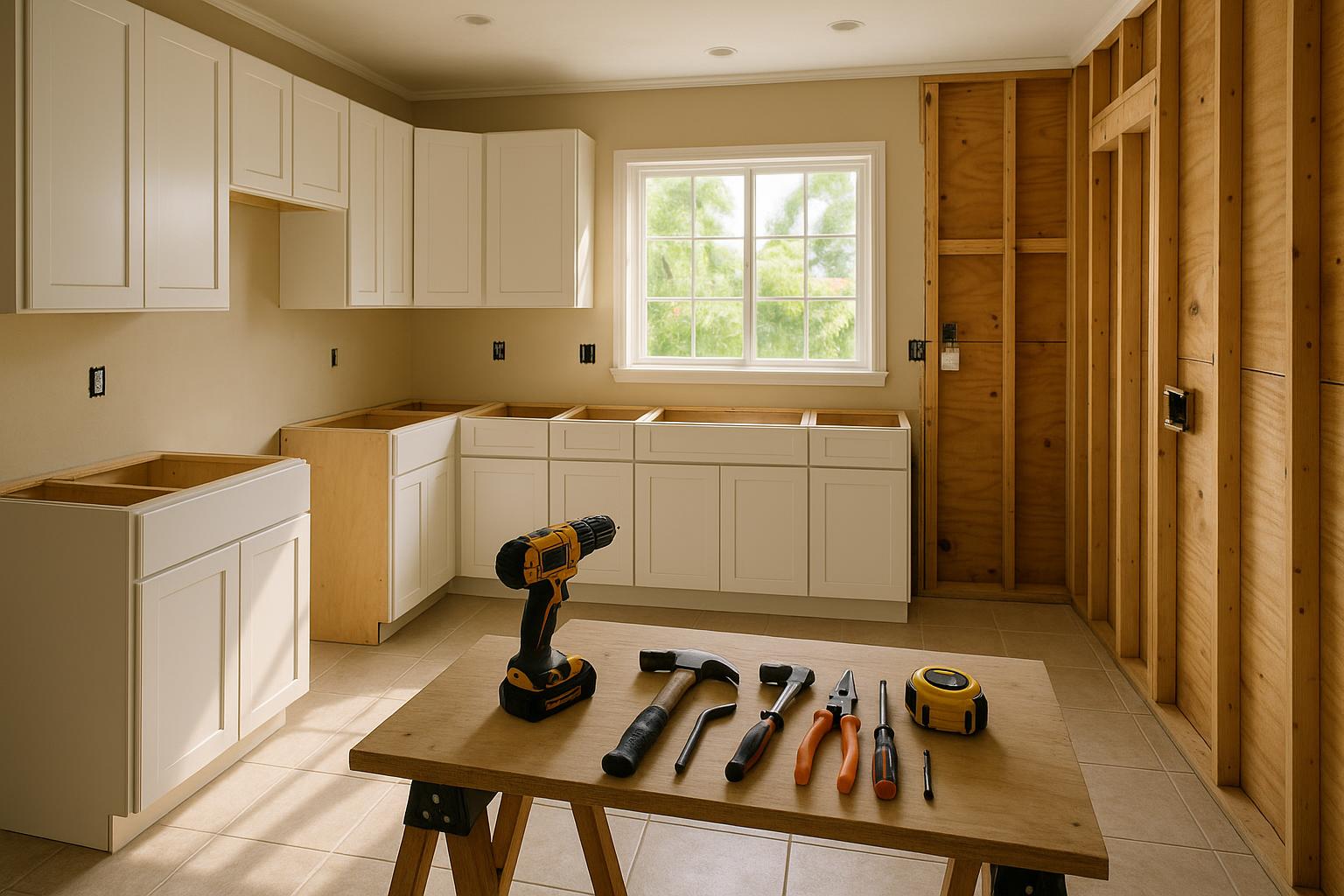
- Cabinet installation: Kitchen and bathroom cabinets go in, followed by countertop templating. The actual countertops usually arrive a week or two after templating.
- Priming and painting: Walls and trim get primed and painted, often in multiple coats.
This phase is where the project starts to feel exciting. You'll begin to see your vision come together, and the space starts looking like an actual room again rather than a construction zone.
Phase 4: Finish Work and Installation (Weeks 8–10)
The finish phase is all about the details — and details take time. This is where craftsmanship really matters.
Key tasks in this phase:
- Countertop installation: Fabricated countertops get set in place and sealed.
- Fixture installation: Faucets, lighting, outlets, switches, and hardware all get installed.
- Trim and molding: Baseboards, crown molding, door casings, and other trim pieces get cut, installed, and caulked.
- Appliance installation: New appliances get connected and tested.
- Final paint touch-ups: After all the installation work, painters come back to touch up any scuffs or imperfections.
Homeowners sometimes get impatient during this phase because the space looks "almost done" but there are still a dozen small tasks to complete. Trust the process — rushing finish work leads to visible flaws you'll notice every day.
Phase 5: Final Inspections and Walkthrough (Weeks 10–11)
The last phase is about making sure everything works, looks right, and meets code.
What this includes:
- Final building inspection: The City of Hollywood inspector verifies that all permitted work meets current building codes.
- Contractor walkthrough: You and your contractor walk through the completed space together, checking every detail. Bring a notepad and don't be shy about pointing things out.
- Punch list completion: Any minor issues — a paint drip, a cabinet door that needs adjusting, a switch plate that's crooked — get documented and corrected.
- Final cleaning: A thorough post-construction cleaning removes dust and debris so the space is ready to use.
A reputable contractor won't consider the job done until you're satisfied and the punch list is complete. This final walkthrough is your opportunity to make sure everything meets your expectations.
Tips to Keep Your Remodel on Schedule
Delays happen, but many of them are preventable. Here are practical ways to help your project stay on track:
- Make decisions early. Indecision about tile, paint colors, or fixtures is one of the most common causes of delays. Finalize your selections before demolition begins.
- Order materials with lead time in mind. South Florida supply chains can be unpredictable, especially during hurricane season. Order early and confirm delivery dates.
- Respond to your contractor quickly. When questions come up during construction — and they will — a fast answer keeps the crew productive.
- Avoid mid-project changes. Change orders are the enemy of timelines and budgets. If you want to make a change, understand the cost and schedule impact before committing.
- Choose a contractor who communicates. A contractor who gives you regular updates and is honest about potential delays is worth their weight in gold.
Every Remodel Has a Rhythm
Once you understand the phases, a remodel becomes much less intimidating. There's a natural rhythm to the work — planning, rough construction, surfaces, finishes, and final details. Each phase builds on the one before it.
At Southfork General Contractors, we walk our Hollywood clients through every phase before work begins so there are no surprises. We believe that clear communication and realistic scheduling are just as important as quality craftsmanship. If you're considering a remodel and want to know exactly what to expect, we'd love to talk you through it.